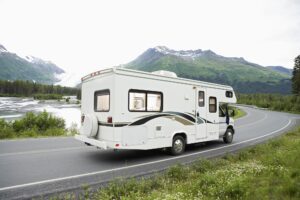
There is nothing quite like the open road in your RV — the freedom, the adventure, and the ability to bring the comforts of home wherever you go. But that freedom can come to a screeching halt when something goes wrong and you find yourself stranded miles from the nearest repair shop. The good news? Many of the most common RV problems are well within the reach of a prepared owner. Learning to handle basic repairs before you hit the road can save you time, money, and a whole lot of stress. This guide will walk you through the essentials so you can travel with real confidence.
Why Every RV Owner Should Know Basic Repairs
RVs are complex machines — part vehicle, part home — and that means there are twice as many things that can go wrong. From mechanical systems under the hood to plumbing, electrical, and appliance systems inside the coach, an RV owner faces a unique set of challenges that a traditional homeowner or car owner simply does not. Having even a basic understanding of how your RV works, and how to fix minor issues can be the difference between a minor inconvenience and a ruined trip.
Beyond the practical benefits, knowing your RV gives you a deeper connection to your home on wheels. You will feel more in control, more self-sufficient, and less reliant on finding a service center in an unfamiliar town. That peace of mind is priceless when you are far from home.
Essential Tools to Keep On Board
Before you can fix anything, you need the right tools. Every RV should carry a well-stocked toolkit that includes screwdrivers in multiple sizes, adjustable wrenches and pliers, electrical tape and a multimeter, pipe tape and sealant, spare fuses and bulbs, a tire pressure gauge and portable air compressor, duct tape, and a good flashlight with extra batteries. Keeping these items organized and accessible means you will not be digging through storage bays in the dark when something goes wrong. A little preparation goes a long way.
Common Plumbing Issues and How to Handle Them
Water leaks are among the most frequent problems RV owners encounter. The plumbing in an RV takes a beating from road vibrations, temperature changes, and general wear and tear. Common issues include leaking connections, dripping faucets, and toilet seal failures.
For minor leaks at connections, pipe thread tape or push-fit fittings can provide a quick and effective fix. Always turn off your water supply before attempting any plumbing repair, and check your work thoroughly before driving. Toilet seals can often be replaced without professional help — the parts are inexpensive, and the process is straightforward for most models. Carrying spare seals and fittings specific to your RV model is a smart habit.
Electrical Troubleshooting Basics
RV electrical systems can seem intimidating, but most problems boil down to a few common culprits: blown fuses, tripped breakers, and dead batteries. Before you panic, check your fuse panel and circuit breaker box. A blown fuse is a cheap and easy fix, and a tripped breaker just needs to be reset.
Battery maintenance is equally important. Keep your house batteries charged and check connections regularly for corrosion. A multimeter is an invaluable tool for diagnosing electrical issues — it can tell you if power is reaching a component or if there is a break in the circuit. If you are not comfortable working with wiring, always err on the side of caution and call a professional, especially for issues involving your shore power hookup or inverter.
Understanding Brake Repair and Safety Systems
Your braking system is one of the most critical safety components on your RV, and brake repair is not something to take lightly. While certain brake-related checks are within reach of a knowledgeable owner, it is important to know where the line is between routine maintenance and work that requires a certified technician.
As part of your pre-trip inspection, listen for grinding, squealing, or unusual sounds when braking — these are warning signs that your pads or drums may need attention. Check that your brake controller is functioning and properly calibrated. Inspect brake fluid levels and top up if necessary. Any comprehensive brake repair — replacing pads, shoes, rotors, or dealing with hydraulic line issues — should be handled by a qualified mechanic. The consequences of brake failure on a heavy vehicle at highway speeds are severe, and this is one area where professional expertise is truly worth the investment.
Roof and Sealant Maintenance
Water damage is the silent enemy of every RV, and most of it enters through a compromised roof or failed sealant. Regular inspection and maintenance of your roof is one of the most cost-effective things you can do to protect your investment. Walk your roof carefully at least a couple of times per year and before any long trip.
Look for cracks, bubbling, soft spots, or separating seams. Areas around vents, skylights, and antennas are particularly vulnerable. RV-specific sealant is available at any RV supply store, and touching up these areas is a quick job that can prevent serious water damage down the road.
When to Call a Professional RV Repair Shop
As satisfying as DIY repairs can be, there is real wisdom in knowing your limits. Some repairs require specialized tools, technical certifications, or a level of expertise that goes beyond a roadside fix. Attempting complex repairs without the right knowledge can turn a manageable problem into a costly one.
Situations that warrant a professional shop include anything involving your engine or drivetrain, propane system leaks, slide-out mechanism failures, structural frame damage, and anything related to your braking system beyond a visual inspection. The key is not to feel defeated when something exceeds your skill level — it is to get to a trusted repair shop promptly rather than letting a problem compound.
Ready to Roll? Let Us Make Sure Your RV Is Trip-Ready
Before your next adventure, let our experienced technicians give your RV a thorough once-over. We specialize in full-service RV inspections and repairs, from routine maintenance to complex mechanical work — checking everything from your roof seals to your brake system so you can travel with total confidence. Schedule your pre-trip inspection with us today. Call us, stop by the shop, or book online. Your next adventure should not be held back by a preventable problem.
Frequently Asked Questions
How often should I inspect my RV before a trip?
Do a thorough inspection before every major trip and a quick walk-around before any outing. A professional pre-season inspection at the start of each camping season is also a wise investment.
Can I do my own brake repair on an RV?
Basic visual inspections are something every owner should do regularly, but actual brake repair should be handled by a certified technician. Given the size and weight of an RV, properly functioning brakes are a non-negotiable safety requirement.
What are the most important items in an RV emergency kit?
Basic hand tools, electrical supplies, plumbing repair materials, spare fuses and bulbs, RV sealant, a tire pressure gauge, a portable inflator, and emergency road gear like reflective triangles.
How do I find a reliable RV repair shop on the road?
RV owner forums, manufacturer networks, and apps designed for RV travelers are great resources. Many RV clubs also maintain directories of vetted service centers.
Is RV repair expensive?
Costs vary widely. DIY maintenance is generally very affordable, while professional mechanical repairs can be more significant. Regular preventive maintenance is the best way to avoid major unexpected costs.
Do I need special training to work on my RV?
No formal training is required for basic tasks like checking fluids, replacing fuses, and inspecting seals. Tasks involving propane systems, electrical wiring, and brakes should be left to certified professionals.